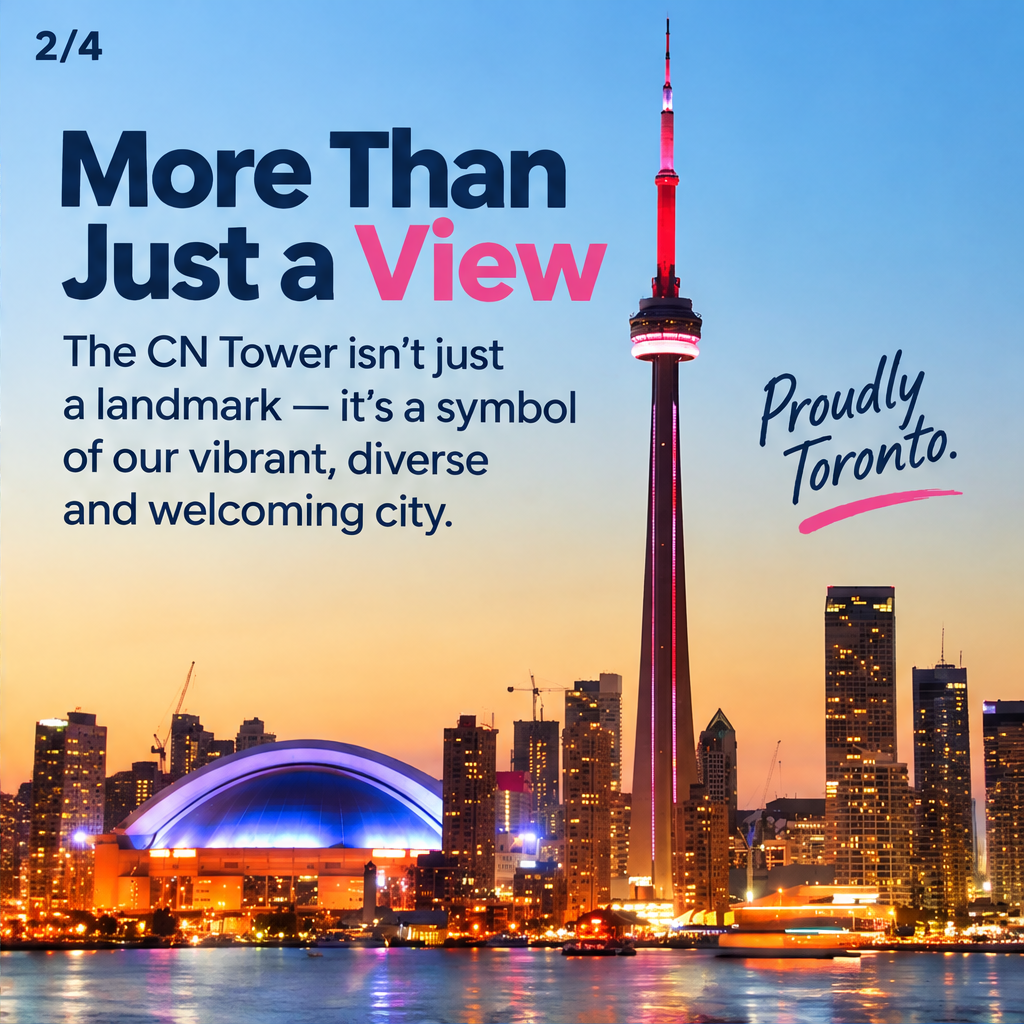
CN Tower
290 Bremner Blvd, Toronto, ON M5V 3L9, Canada

Discover What Makes It Special
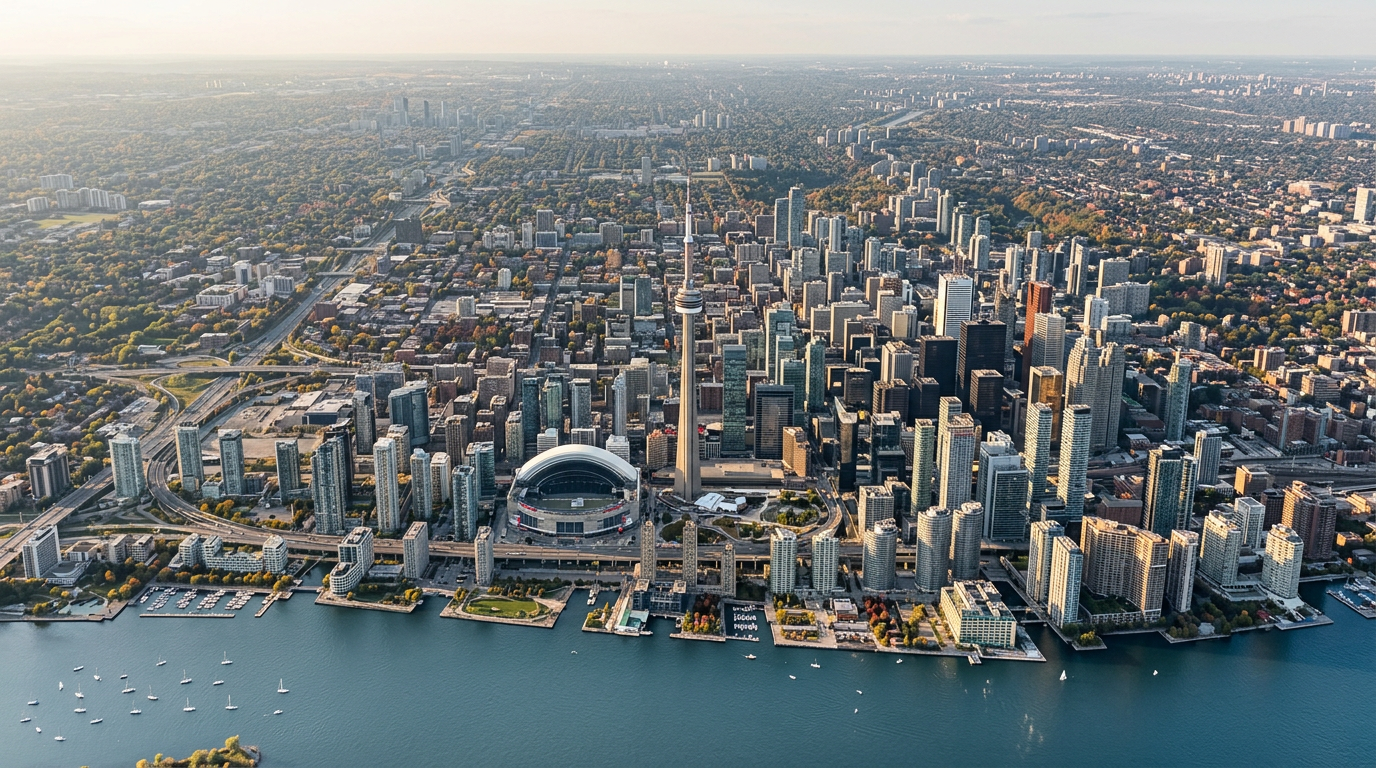
The Greater Toronto Area wraps around the northwestern shore of Lake Ontario, a sprawling region made up of many distinct communities rather than one single place. At its center sits Toronto itself, a dense urban core of high-rises, historic neighborhoods, and varied cultural districts, while surrounding municipalities shift toward suburban subdivisions, older downtowns, and open farmland on the outer edges. Housing reflects that range, from condominiums and converted lofts to row houses, semi-detached homes, and larger detached properties on generous lots.
Ravines, river valleys, and waterfront trails thread through the region, giving residents places to walk, cycle, and paddle without leaving the metro area. Dining and shopping span everything from neighborhood markets to major retail centers, and families rely on public school boards such as the Toronto District School Board alongside a wide network of child care providers. Transit, commuter rail, and an extensive highway network connect the communities to one another and to the region's major employment hubs.
The Greater Toronto Area suits young professionals, growing families, commuters, and newcomers looking for a diverse, well-connected place to settle.


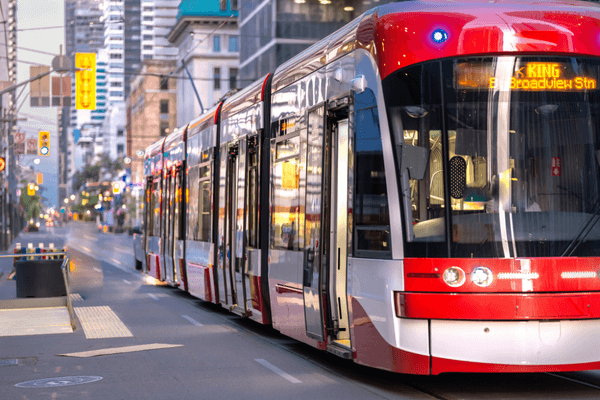
From my weekly York Region market perspective, the communities most likely to benefit are those along the Yonge corridor and within practical reach of the planned five stations. The Yonge North Subway Extension is eight kilometres long and is intended to provide future service, improving access toward Toronto and potentially broadening commuting options for families, renters, students, retirees, and newcomers. I would assess each neighbourhood’s walkability, local housing mix, current transit access, and construction impacts rather than assume identical benefits across York Region.